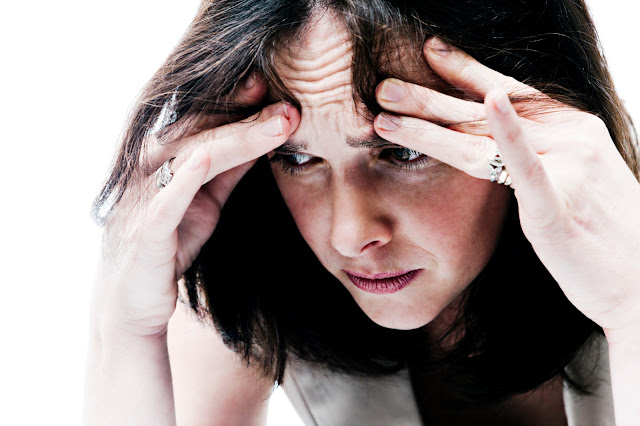
Suffering from anxiety? Planning to
seek a doctor's advice and start taking medicines? Well, medicines should be
avoided as they try your calm you down artificially. The causes of anxiety are
many and you need to work towards fighting the cause and not the symptom, whichis anxiety. There are many ordinary causes of anxiety including stress, lack of
sleep, work pressure, emotional misbalance due to changes in life like divorce,
pregnancy, or marriage, skipping meals, and unbalanced lifestyle etc.
If you are suffering from anxiety,
you try to seek advice from an ayurvedic expert. Ayurveda unlike prescription
medications works naturally and give permanent results. In addition, you don’t
need to take ayurvedic herbs to get rid of anxiety. Here, we share some natural
remedies for anxiety as suggested in Ayurveda:
Get Warm
Pacifying vata is what is
required if you want to reduce anxiety. Cold increases it while warmth brings
it down. This is the reason why many people tend to become anxious during the
winters. If you are feeling too anxious,
pamper yourself with a warm bath. You can also drink a glass of warm milk with
saffron to reduce stress. Keeping a hot water bag under your feet while sleep
would also help and make sure that you have a peaceful night.
Create and Maintain a Healthy and
Balanced Lifestyle
If you really want to fight anxiety,
this is one of the most important things that you need to do. Maintaining a
healthy and balanced lifestyle can go a long way in reducing stress andanxiety. Make a routine and try your best to follow it. By routine, we mean, a
fixed time to eat and sleep. It’s true that maintaining such a
routine is very tough in our busy schedules, but it is not impossible too. Eat
healthy and do regular exercise.
Follow a vata pacifying diet. Avoid
caffeine and other stimulants as much as possible. Eat less of carbohydrates
and frozen food as well. Drink warm soups and your vata also like sweet,
salty, and sour foods. Do not drink cold
water and always eat your breakfast in the morning.
Get an Oil Massage
Vata happens to airy and dry and so
you are anxious, you tend to find yourself 'up'. A warm oil massage would bring
it back to the ground. Ask someone to rub olive oil, or sesame oil on your back
and feet. Put pressure in the middle while massaging your feet for immediate
calming effect.
While massaging your feet, put
pressure at the centre for an immediate calming effect. Massaging oil on the
scalp, forehead, and temples also works wonder as far as reducing anxiety is
concerned. Abhyanga (whole body warm oil
massage) is the best way to reduce stress, though it is always not possible to
undergo the same.
Practice Yoga
Deep breathing happens to be one of
easiest ayurvedic remedies for anxiety. Taking deep breaths can reduce stress
and anxiety. It also works magic when you are angry and you want to control
your anger. Practice Pranayama every day
for best results. Yogic breathing comes in different forms and you search
online for them and practice what suits you the best. Forward bends also help in bringing
down anxiety to a great extent. Doing child's pose is another yoga that you can
try.
Meditate
Meditation in general is great for
your healthy. Meditation is a powerful way to heal your mind and body. Simply
sit for 10 minutes at one silent corner of your home and meditate. This would decrease
anxiety and develop your concentration levels. Check out meditation videos on
the Internet or you can also join meditation classes.

