Showing posts with label brain health. Show all posts

Thursday, 20 July 2017

Brain Abcess : Causes, Risk Factor, Diagnosis, Symptoms and Treatment

brain abcess, causes of brain abcess, risk factor of brain abcess, symptoms of brain abcess, treatment of brain abcess, brain haemorrhage, brain health, brain disorder,


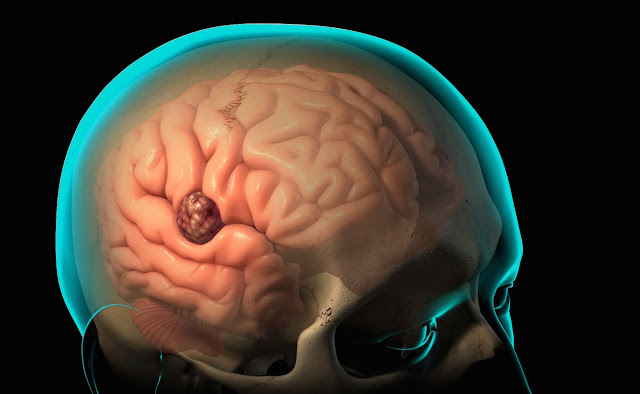
A brain abscess is a collection of pus, immune cells, and other material in the brain, usually from a bacterial or fungal infection. It is mostly formed by bacterial infection; a fungal infection can be caused in weak immune system.

  • Brain abscess forms when fungi, viruses, or bacteria reach your brain through a wound in your head or an infection somewhere else in the body.
  • Heart and lung infections are among the most common causes of brain abscesses.
  • But brain abscesses can also begin from an ear or sinus infection, or even an abscessed tooth.
  • It can occur in any age, but most frequent in ages above 60.


Causes of brain abscess:

  • Brain abscesses commonly occur when bacteria or fungi infect part of the brain. As a result, swelling and irritation (inflammation) develop.
  • Infected brain cells, white blood cells, live and dead bacteria or fungi collect in an area of the brain. Tissue forms around this area and creates a mass, or abscess.
  • The germs that cause a brain abscess can reach the brain through the blood. Or, they enter the brain directly, such as during brain surgery. In rare cases, a brain abscess develops from an infection in the sinuses.
  • The source of the infection is often not found. However, the most common source is a lung infection. Less often, a heart infection is the cause


Risk factors of brain abscess:

Certain risk factors which increases the chances of infection may include:

  • A compromised immune system due to HIV or AIDS
  • Cancer and other chronic illnesses
  • Congenital heart disease
  • Major head injury or skull fracture
  • Meningitis
  • Immunosuppressant drugs, such as those used in chemotherapy
  • Chronic sinus or middle ear infections
  • Certain birth defects allow the infection to reach brain more easily, such as tetralogy of fallot, which is a heart defect.   


Diagnosis of brain abscess:

Diagnosis of brain abscess may be done by certain methods, which include:

  • Blood cultures- to know for infection in the blood
  • Chest x-ray- To see any suspected infection in lungs
  • Complete blood count (CBC)
  • Head CT scan
  • Electroencephalogram (EEG)-to test the electric impulses in the brain
  • MRI of head
  • Testing for the presence of antibodies to certain germs
  • Lumbar puncture or spine tap- Taking a small amount of cerebral spinal fluid to see any further problems in brain other than infection


Symptoms of brain abscess:

Certain symptoms may include:

  • Differences in mental processes, such as increased confusion, decreased responsiveness, and irritability
  • Decreased speech
  • Decreased sensation
  • Decreased movement due to loss of muscle function
  • Changes in vision
  • Changes in personality or behaviour
  • Vomiting
  • Fever
  • Chills
  • Neck stiffness, especially when it occurs with fevers and chills
  • Sensitivity to light


Treatments of brain abscess:

Brain abscess is a medical emergency; it should be treated immediately to prevent any further worsening condition, which may include:

Medication is the treatment procedure if certain abscess are:

  • A small abscess (less than 2 cm)
  • An abscess deep in the brain
  • An abscess and meningitis
  • Several abscesses (rare)
  • Shunts in the brain for hydrocephalus (in some cases, the shunt may need to be removed temporarily or replaced)
  • An infection called toxoplasmosis in a person with HIV/AIDS


Surgery is  done in certain cases:

  • Increased pressure in the brain continues or gets worse
  • The brain abscess does not get smaller after medicine
  • The brain abscess contains gas (produced by some types of bacteria)
  • The brain abscess might break open (rupture)
  • The brain abscess is large (more than 2 cm)


Surgical technique is always avoided as it can bring certain complications

Wednesday, 19 April 2017

How Does Diabetes and Hypertension Affect Your Brain Health

brain health, brain haemorrhage, diabetes, hypertension, diabetes and hypertension, risk of heart attacks, risk of strokes, brain training program, nerve cell damage, healthy diet and exercise, high blood pressure, heart attacks


Diabetes occurs when the body is unable to regulate the amount of glucose released into the bloodstream after eating a meal. This can have a long term impact on the diabetic who will find that the condition will affect everything from their waterworks to their brain function.

Studies have repeatedly shown that diabetes slows down mental function and impairs the ability to complete cognitive tasks quickly and easily. Language is also affected as is the ability to recall information. It should be noted however, that the results of the studies found that although mental function was compromised, it did not interfere with daily life.

Although diabetics have general health concerns due to the nature of their condition, having diabetes also increases the risk of heart attacks and stroke. These factors increase the likelihood of memory problems.

Studies have also found that patients with severe diabetes have poor cognitive abilities because the nerves cells in the brain were damaged due to the disease. The chance of developing Alzheimer's or Dementia was found to be highest in those with poorly controlled diabetes. This should set alarm bells ringing for all diabetics, as it is just another problem to add to their list of current problems.

Hypertension is when a patient repeatedly suffers from high blood pressure, or where blood pressure is uncontrolled so as to cause concern for the sufferer. Some of the main problems associated with hypertension include a greater risk of heart attacks and strokes. The other main concern with hypertensive patients is that the high blood pressure can cause a brain haemorrhage.

A brain haemorrhage occurs when the blood vessels inside the brain burst due to increased pressure, causing bleeding in the brain. Hypertension can also cause aneurysms in the brain. These are weakened vessels in the brain where the blood pools together and bulges. Left untreated, an aneurysm can burst causing a haemorrhage and eventually severe brain damage or even death.

It is important to understand that the severity of a haemorrhage due to hypertension is made worse by the presence of diabetes, which can further weaken the blood vessels in the brain. In patients who have both hypertension and diabetes, managing both conditions is critical to preserving their brain health.

One of the worst aspects of aging is the effect it has on the brain and all mental abilities. Naturally as the body ages, so too does the mind. Having a condition such as diabetes and hypertension can easily age your brain quicker than it would a healthy person.

Preventing brain ageing requires looking after one's health coupled with training your brain. This will improve performance and delay the onset of age related memory problems. Taking simple measures such as eating less salt and sugar, decreasing the amount of fat in your diet and eating lots of fresh fruit, vegetables and oily fish all help to improve overall health as well as brain health. Measures should be taken to control diabetes and hypertension correctly, and it is advised to see your doctor who can decide on the best treatment for you.

Do not underestimate the power of exercise either, as this helps to reduce blood pressure and helps to bring high blood sugar levels on an even keel. A healthy diet and exercise is the minimum requirement to look after your body and your brain.

As a diabetic or hypertensive, you should also take brain training very seriously if you want to prevent long-term memory and mental problems. Research has found that those who train their brains with specific exercises and challenge their minds with daily puzzles have sharper minds than those who do not.

A proper brain training program should be an integral part of your lifestyle if you want to stay mentally active for years to come.

Monday, 13 February 2017

Cerebrovascular Diseases: Symptoms, causes, diagnosis and treatment

neurological disorder, neurologist, Neurologists, brian, brain tumour, cerebrovascular disease, brain health, mental health


Diseases related to our blood vessels are known as vascular diseases. Cerebrovascular disease is also vascular disease associated with the cerebrum of the brain. This disease hinders the supply of blood to the brain leading to the shortage of oxygen in the brain resulting in stroke. Cerebrum part of the brain is responsible for the control heart beating and other higher functions of the brain such as thought and action. 

Some common types of cerebrovascular diseases


  • Cerebral Embolism- It occurs when blood flow to the brain is blocked due the presence of air, plaque or a clot.  
  • Cerebral Thrombosis- It is a blood clot that appears in the blood supply to brain.
  • Cerebral Hemorrhage- It is a type of stroke causing internal bleeding and damage to the brain cells.
  • Aneurysm- It is a disease leading to the swelling in the artery, which occurs in the brain, back of the knee or intestine.  

Symptoms of cerebrovascular diseases

  • The symptoms of cerebrovascular disease are dependent on the location of the person’s embolism, hemorrhage or thrombus and the level to which the cerebral tissue has been destroyed.
  • Patient may not be able to cough properly and loses his gag reflex. 
  • Difficulty in swallowing, poor hand-eye coordination, speech impairment.   
  • Vomiting
  • Dizziness
  • Fever
  • Sudden Weakness
  • Loss of balance
  • Paralysis and Coma
Causes of cerebrovascular diseases

  • Stroke occurs when a blood vessel that transports blood to the brain is jammed due to plaque or a blood clot which causes brain cells to die leading to stroke. 
  • On the other hand, it is possible, a clot may have formed in some other part of the body and travelled to brain and blocked the artery through which the blood is transported to brain.
  • Some lifestyle diseases that are major risk factors of stroke include diabetes, hypertension and obesity.
Diagnosis of Cerebrovascular diseases

The treatment of cerebrovascular diseases is conditioned upon the natures of individual disease. There may be different types of strokes and due to various reasons, before the treatment is necessary to know the problem associated with particular patients. 

  • A doctor often diagnoses a stroke using a stethoscope, noticing abnormal sounds of blood flow or a through physical examination of patient is done.
  • MRI-Magnetic Resource Imaging or MRI is the scan done for detecting strokes. MRI examines your blood vessels using magnetic and radio frequency waves to generate a comprehensive view of organs and system inside your body.
  • CAT Scan- Computerized axial tomography is a painless procedure done to identify the origin of hemorrhagic strokes and shows the bleeding in the brain and damaged cells due to stroke. 
Treatment of Cerebrovascular diseases

  • The treatment for cerebrovascular diseases comprises of medication and changes in the lifestyle of the patient. 
  • The emergency treatment of cerebrovascular diseases involves injecting medicine into the brain or discarding clot with surgery.
  • Surgery is done for the treatment of aneurysm, hemorrhage, thrombosis embolism and occlusive vascular diseases so that oxygen and nutrients can be delivered to brain without any obstruction.