Showing posts with label Anxiety. Show all posts
Showing posts with label Anxiety. Show all posts
Monday, 16 July 2018

Monday, 28 August 2017
Ayurvedic treatment to get rid of anxiety
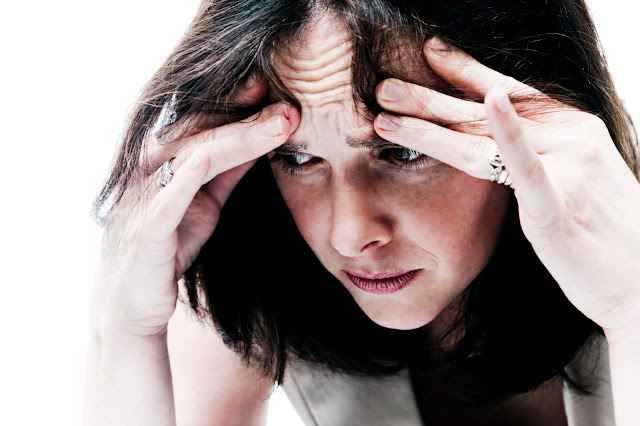
Suffering from anxiety? Planning to
seek a doctor's advice and start taking medicines? Well, medicines should be
avoided as they try your calm you down artificially. The causes of anxiety are
many and you need to work towards fighting the cause and not the symptom, whichis anxiety. There are many ordinary causes of anxiety including stress, lack of
sleep, work pressure, emotional misbalance due to changes in life like divorce,
pregnancy, or marriage, skipping meals, and unbalanced lifestyle etc.
If you are suffering from anxiety,
you try to seek advice from an ayurvedic expert. Ayurveda unlike prescription
medications works naturally and give permanent results. In addition, you don’t
need to take ayurvedic herbs to get rid of anxiety. Here, we share some natural
remedies for anxiety as suggested in Ayurveda:
Get Warm
Pacifying vata is what is
required if you want to reduce anxiety. Cold increases it while warmth brings
it down. This is the reason why many people tend to become anxious during the
winters. If you are feeling too anxious,
pamper yourself with a warm bath. You can also drink a glass of warm milk with
saffron to reduce stress. Keeping a hot water bag under your feet while sleep
would also help and make sure that you have a peaceful night.
Create and Maintain a Healthy and
Balanced Lifestyle
If you really want to fight anxiety,
this is one of the most important things that you need to do. Maintaining a
healthy and balanced lifestyle can go a long way in reducing stress andanxiety. Make a routine and try your best to follow it. By routine, we mean, a
fixed time to eat and sleep. It’s true that maintaining such a
routine is very tough in our busy schedules, but it is not impossible too. Eat
healthy and do regular exercise.
Follow a vata pacifying diet. Avoid
caffeine and other stimulants as much as possible. Eat less of carbohydrates
and frozen food as well. Drink warm soups and your vata also like sweet,
salty, and sour foods. Do not drink cold
water and always eat your breakfast in the morning.
Get an Oil Massage
Vata happens to airy and dry and so
you are anxious, you tend to find yourself 'up'. A warm oil massage would bring
it back to the ground. Ask someone to rub olive oil, or sesame oil on your back
and feet. Put pressure in the middle while massaging your feet for immediate
calming effect.
While massaging your feet, put
pressure at the centre for an immediate calming effect. Massaging oil on the
scalp, forehead, and temples also works wonder as far as reducing anxiety is
concerned. Abhyanga (whole body warm oil
massage) is the best way to reduce stress, though it is always not possible to
undergo the same.
Practice Yoga
Deep breathing happens to be one of
easiest ayurvedic remedies for anxiety. Taking deep breaths can reduce stress
and anxiety. It also works magic when you are angry and you want to control
your anger. Practice Pranayama every day
for best results. Yogic breathing comes in different forms and you search
online for them and practice what suits you the best. Forward bends also help in bringing
down anxiety to a great extent. Doing child's pose is another yoga that you can
try.
Meditate
Meditation in general is great for
your healthy. Meditation is a powerful way to heal your mind and body. Simply
sit for 10 minutes at one silent corner of your home and meditate. This would decrease
anxiety and develop your concentration levels. Check out meditation videos on
the Internet or you can also join meditation classes.
Wednesday, 8 February 2017
Don’t let stress suppress your life
Know about stress and how be to be stress-free
Stress, tension, and anxiety have become part of our daily routines; it has impacted our lives hugely and has become everyone’s behavioral trait. We see every task of our life as a new tension. Even getting a few hours of rest seems like a mission to some of us. Being in stress all the time results in releasing of chemicals into the blood, thereby affecting our health and giving birth to a new form of tension related health problem. Tension and anxiety hamper your body and mind in different ways, for example, you sometimes even forget to drink water, skip meals and are not able to interact properly with others. Stress may lead to health problems like asthma, diabetes, headaches, indigestion, etc. If stress is not managed it may affect a person’s psyche.

Signs of extreme stress
The trickiest thing about stress is you don’t realize you are getting used to it. You don’t understand what is going on inside. It may seem normal how your body reacts to certain situations but, eventually you get used to it. Therefore, it is important to know the signals and symptoms of stress. Symptoms of stress can be divided into four categories.
- Emotional Signals- Feeling of isolation and loneliness, depression, agitation, always irritated, unhappiness, anxiety.
- Behavioral Signals- Smoking a cigarette, consuming alcohol, taking drugs for relaxing, excessive or no appetite, lack of sleep or sleeping too much, nervousness.
- Physical Symptoms-Dizziness, constipation, pain and aches, infections, abnormal heart beat rate.
- Psychological Symptoms- Loss of memory, negative attitude, poor judgment, unstoppable thoughts, lack of concentration.
Causes of Stress
The factors that contribute to stress are known as ‘Stressors’. Causes of stress can be of two types- internal causes and external causes.
- Internal Causes of stress- Always expecting worse, stubborn mind sets, negative inner self, not able to accept reality.
- External Causes of stress- Peer pressure, relationship problems, financial burden, trauma or injury, poor work conditions, death of a close one.
Health Problems due to stress
Stress can damage almost every system in your body. From immune system to digestive system, reproductive or respiratory system and lead to health issues. Common health problems related to stress are-
How to cope up with stress
- Healthy Diet- Tasty and healthy food is one of the best stress busters. A diet full of carbohydrates, proteins, fiber, vitamins can help you in combating stress and keeps you always energetic.
- Exercise- Engaging yourself in some kind of physical workout increases the amount of blood flow in your body and maintaining your heart beat rate. Regular workout involving running, walking, swimming, yoga, and aerobics can be beneficial in relieving stress.
- Link with others- Hanging out with your friends and family can also help in dealing with stress. Complementing and helping others can bring a lot of change within you. Spending time your pet also keeps your mood fresh.
Tuesday, 30 August 2016
The effects of sleep pattern disturbance you are not aware of

It is a common knowledge that sleep is essential for human
beings. 6-7 hours of daily sleep is necessary because sleep helps in keeping
the heart healthy, it reduces stress and also helps in improving memory.
However, sometimes, people have a difficulty in falling asleep for the adequate
amount of time every day. They may sleep for very short period or for too long.
This is known as sleep pattern disturbance, and can be caused due to several reasons.
Sleep Disorder Causes
Due to the modern-day lifestyle, stress has become an
integral part of people's lives. Stress is the number one cause of disturbances
in sleep patterns in people. Increasing anxiety and stress, people have
difficulty in falling asleep every day. Along with stress and anxiety, fear,
depression or any illness can also cause disturbances in sleep.
Consumption of caffeine containing products like coffee,
sodas also lead to insomnia or lack of sleep.
There are several sleep disorders that can cause disturbance
in the sleeping pattern. For e.g., disorders like insomnia, parasomnia,
dyspnoea, can also be the potential causes for this condition. Therefore, we
observe that this condition can be caused by as simple a condition as lack of physical
activity, disturbances in the environment; or due to complex disorders like
side effects of certain medication, illness or anxiety.
It should also be noted that sleep pattern and depression are
related to each other. Depression can be one of the major causes if a person
suffers from sleep disorders for a long time, without any known abnormality.
Sleep Disorder Symptoms
Difficulty in falling asleep is the most common and obvious
symptom of sleeping disorders. The person may also wake up very early than
usual, feeling of exhausted. These symptoms are accompanied by several other
symptoms like feeling sleepy during the day, irritability, lethargy, fatigue,
weakness, disorientation, inability to concentrate, frequent yawning and having
dark circles under eyes. They look exhausted, have a blank expression on their
face; and may show short temper and agitation.
Sleep disorders can also give rise to symptoms like bed
wetting, sleep talking, sleepwalking in toddlers.
Sleep Disorder
Treatment
It is essential to find out the root cause of sleep disorder
in order to look for proper treatment. In case, the disorder is found only in
one or two instances, there is nothing to worry about. On the other hand, if it
appears frequently, one should surely look for professional help to treat it.
Sleep pattern disturbance related to pain or illness can be
treated by treating the underlying illness itself with proper medical help.
Other sleep disorders can also be treated with the help of medications and
therapy. It is advised that people should not go for sleep medications without
prescription, as they can be addictive and cause several side effects.
Self-help Methods
- Stress, anxiety, fear, should be reduced by following proper relaxation techniques. Techniques like yoga and meditation help in the same.
- People should avoid having caffeine containing products like coffee as they are related to insomnia. Similarly, smoking and drinking should also be reduced and avoided before bedtime.
- You should carry out at least one physical activity every day or exercise regularly to have sound sleep.
- You should follow a proper sleeping pattern or schedule, and avoid sleeping for long hours during the day.
- Lastly, you should note that the bedroom should be peaceful and quiet so as to avoid any disturbance while sleeping.
Proper sleep is essential for overall well-being. Therefore,
you should treat sleep disorders with proper methods or professional help at
the earliest.
Wednesday, 24 August 2016
How to come out of depression effectively

Depression is a prolonged feeling of sadness, fear,
hopelessness, anxiety, anger, guilt, helplessness and emptiness. The person
suffering from depression may lose interest in the activities that once used to
excite him. They might have problems in making decisions, remembering details
and face relationship difficulties. They may even attempt or commit suicide.
A person going through depression might be suffering from insomnia, excessive sleeping, fatigue, digestive problems, loss of energy and
enthusiasm.
There is a wide spectrum of things or events which can cause
depressions. Some serious hardships during childhood like loss of a loved one,
sexual or physical abuse can lead to depression in the later stages of life.
Certain changes in human body like the menopause, childbirth, certain medical diagnosis (cancer, HIV); certain medication can be the cause of a depressed
mood.
Chronic use of certain drugs of abuse including alcohol,
sedatives, and opioids like heroin could aggravate the problem. Financial
problems, job related issues, bullying, jealousy, and separation, social
isolations are among the other reasons which make people vulnerable to
depression.
When you're depressed, it can feel as if you will never be
able to get out of this trap. However even the most severe depressions are
treatable. If your
depression is not allowing you to lead a normal life, don't hesitate to seek
help. There are many effective treatments from therapy to medication to healthy
lifestyle changes that can help you get better. Here are a few depression treatment tips that can be
of great help but keep in mind that there is no "one size fits all"
treatment. What is beneficial for one person might not work for the other, so
plan accordingly. Remember there is no hard and fast rule to treat depression.
- Try to find the root cause of your depression: It is important to know whether your depression is due to an underlying medical condition or some personal problem and then try to find the treatment accordingly.
- Don't rely on medication alone: it can help you treat the symptoms of depression for short or moderate term, but usually not suitable for long term use. You can ask for professional help.
- Get social support: start sharing your problem with your friends, family or you can even join some support groups. Joining a support group is a great idea because all the members there can easily relate to your problem and can help you get better by sharing their personal experiences.
- Exercise: lifestyle changes like doing regular exercise can be as effective as medication. During exercise a number of chemicals like endorphins, serotonins are released inside the brains which help you feel good. Even a 30-60 minutes workout can do wonders. Going for a walk in nature, spending time amongst the plants and trees have also benefited people suffering from depression.
- Nutrition: Eating a healthy and balanced diet will help you stay energetic the whole day and would avoid frequent mood swings. People who are constantly on a diet are usually very irritable and tend to look at things negatively, that is because we need a certain amount of good fat for our brain cells to function properly and when we are devoid of the same our whole system goes into low energy leading to a depressive frame of mind.
- Sleep: Sleep directly affects your mood. Sleep deprivation exacerbates irritability, moodiness, sadness, and fatigue. Make it very sure that you take at least seven hours of sleep a day.
An estimated 350 million people of all ages suffer from
depression globally. Half of the people suffering from this disorder don't seek
any medical or professional help because of the societal stigma associated with
it. Our society need to be a little open minded and should accept them the way
they are.
Wednesday, 27 July 2016
Anxiety: It’s Common But Can Spell Disaster

Feeling
anxious can be quite normal, as long as any feelings of apprehension or tension
go away again by themselves or aren’t severe enough to impact on your life.
Anxiety often accompanies depression, and as with depression and stress most
people feel anxious at times, particularly when confronted with a stressful
situation. You can also experience symptoms of anxiety for no apparent reason,
and particularly when worries seem to take over your life you may suffer from
what’s known as generalised anxiety disorder. This can be difficult to
distinguish from depression and stress.
Anxiety
isn’t always easy to recognise, and so consider these indicators:
- You feel nervous or on edge.
- You find relaxing and controlling your worries difficult.
- You tend to worry a lot, perhaps much more than you or other people feel is ‘normal’, and tend to think the worst.
- You’re so fidgety that you find sitting still difficult at times.
- You suffer from mood swings or get easily wound up.
- Your worrying affects your day-to-day life significantly – including your social life and work.
- You often think that something bad is going to happen.
- You find your worries upsetting and stressful.
- You suffer nightmares or from increased sensitivity to noise.
Physical
symptoms commonly develop when you suffer from anxiety, and so you may also
notice the following:
- Your hands are shaking and you may notice strange sensations such as tingling or numbness.
- You easily get a dry mouth or find swallowing difficult.
- You get headaches or feel dizzy.
- You experience chest discomfort or palpitations.
- You pass urine or open your bowels frequently.
If
you feel that you may be suffering from anxiety – particularly if you’ve had
symptoms of anxiety for a few months or longer – visit your psychiatrist for
further assessment and to discuss the treatment options. If appropriate, your psychiatrist
may want to exclude other possible causes that can also lead to symptoms of anxiety, such as:
- Formation of an overactive thyroid gland.
- Drinking too much coffee or tea.
- Experiencing low blood sugar.
- Withdrawing from drugs or alcohol.
Anxiety
is incredibly common, but many people with symptoms of anxiety struggle to
summon up the courage and seek professional help because they’re anxious or
because they’re ashamed or embarrassed about the way they feel and think.
Remember that your psychiatrist is well trained in dealing with anxiety, and
that lots of other people also have these symptoms.
Subscribe to:
Posts (Atom)